


Biodiversity monitoring program
Diversity of forests support diversity of wildlife
Wildlife tells you a lot about how a forest's doing. What shows up, where it settles, how it moves—those patterns matter.
To lead this understanding, Irving Woodlands has designed and built one of the most comprehensive biodiversity monitoring programs from the ground up.
We've placed over 500 cameras and sound recorders across different parts of the forest—younger stands, older stands, everything in between—tracking birds and mammals as seasons change and years pass. Software helps sort through what we're seeing and hearing.
Its pioneering work that gives us insights at a scale not previously available. Data we can share with research partners, universities, government agencies, and conservation groups.
The recordings you'll see here come mostly from this program. Some are from our foresters. Together, they offer a rare look at everyday life in the forest—familiar species and elusive ones—helping us understand how a mix of forest conditions supports a mix of wildlife.
It's long-term care you can see, measure, and learn from.
Trail Cams

Biodiversity monitoring program
a window into the forest.
Over 280 trail cameras are stationed across the forest, capturing deer, moose, lynx, marten, and more than a dozen other species as they pass through. The footage offers a window into places few people reach, showing us who lives here and how different forest conditions support them season to season.
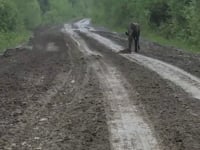
Baby Moose Early Steps
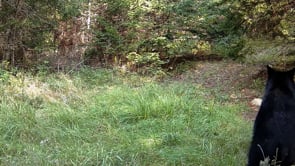
Curious Black Bear Close Up
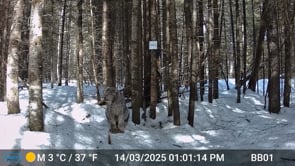
When a Lynx Speaks, you Listen
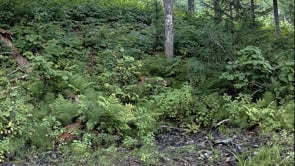
Small and Stealthy Lynx
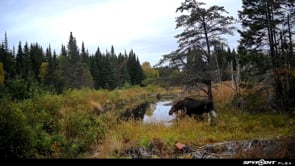
Three Moose Meander
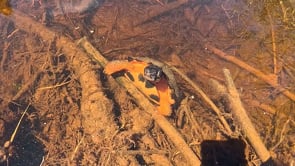
Wood Turtle Saying Hello
Bird Recorders

Biodiversity monitoring program
Sound Recorders: Name that tune.
Over 260 acoustic recorders capture bird songs across different forest types during breeding season. The recordings reveal which species are here, where they settle, and how the forest supports them. It's a way to track life in the canopy-song by song.
Captured in Sound: Signs of a Healthy Forest

Blackburnian Warbler

American Woodcock

Great Blue Heron

Ovenbird

Hermit Thrush

White-throated Sparrow

Did you know?
NOW THAT’S A BIG PLAYLIST.
Each year, our Biodiversity Monitoring program will collect 55 terabytes of audio and video data.
Just the bird recordings from one breeding season would take someone 6.5 years to listen to—non-stop, 24 hours a day, 7 days a week.

“Part of caring for the land is understanding how plants, birds and animals utilize the forest and maintaining adequate habitat. We deploy song recorders and trail cameras to give us feedback on how species respond over time, which helps inform our management decisions on the ground.”